

The tools we build with.
We work across web, backend, cloud, data, and AI. Here is the technology we use most, and how we decide what belongs in your system.

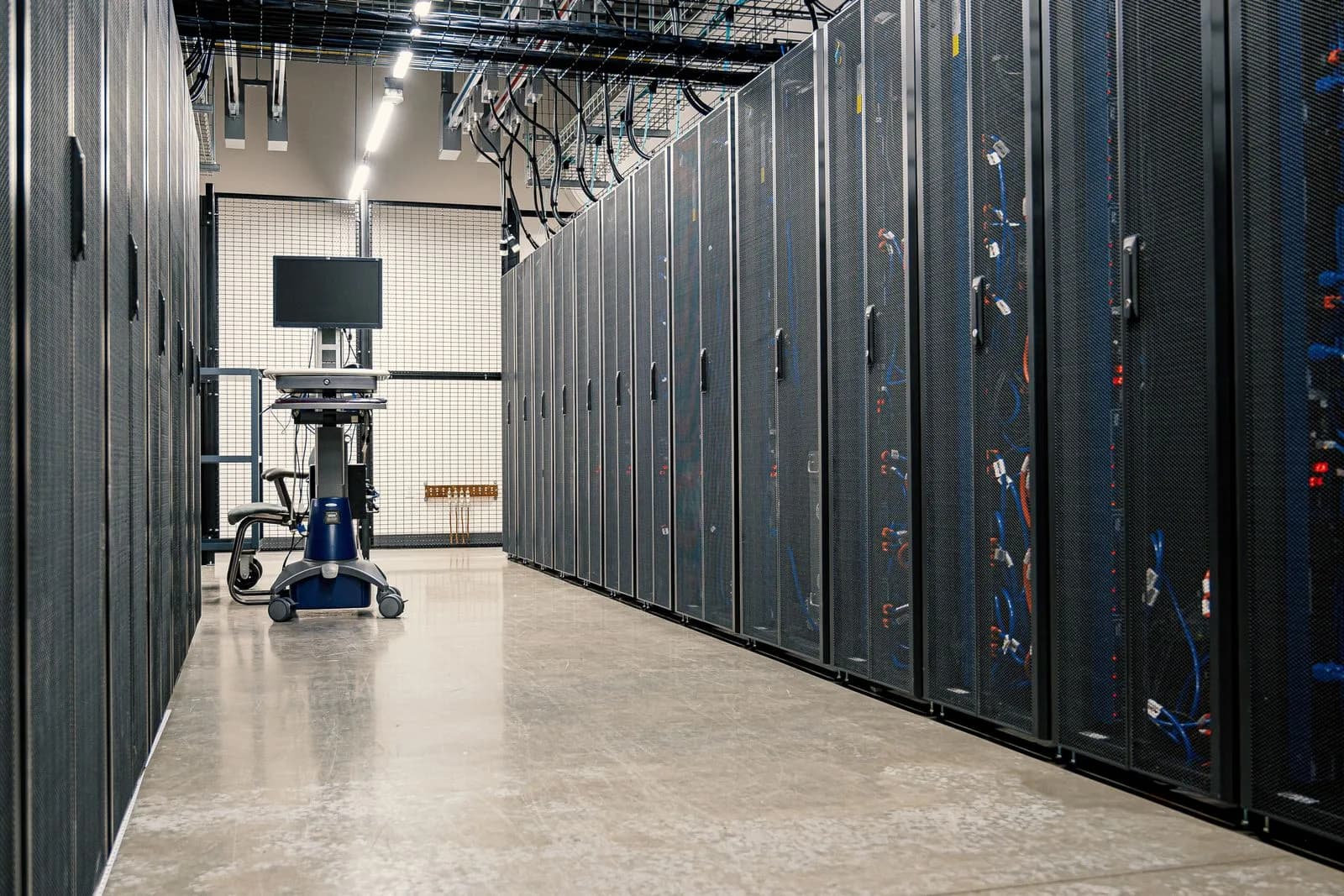

What we work with
Frontend Engineering
Web interfaces for customer applications and internal tools.
- React
- Reusable interface components for forms, dashboards, and application screens.
- Next.js
- Routing and server rendering for React applications.
- TypeScript
- Type checks across frontend and backend code.
Backend Systems
Application logic, APIs, and connections to other systems.
- Node.js
- JavaScript and TypeScript services for web applications.
- Python
- Strong fit for automation, AI pipelines, and data workflows.
- REST APIs
- Predictable contracts for product and partner integrations.
- GraphQL
- Flexible querying where client needs vary widely.
Cloud Infrastructure
Application hosting, networking, storage, and container management.
- AWS
- Broad cloud services for production workloads.
- Azure
- Cloud hosting and integration with Microsoft identity services.
- Docker
- Consistent packaging from development through production.
- Kubernetes
- Orchestration for teams operating containerized systems.
Artificial Intelligence
Document search, drafting tools, and workflows with reviewed AI output.
- LLM Integration
- Product features powered by large language models.
- RAG
- Retrieve relevant documents before generating an answer.
- AI Agents
- Model-driven tasks with limited tool access and defined review steps.
- Intelligent Automation
- AI-assisted processing for repetitive work.
Databases & Data Engineering
Reliable data stores and caching layers for application performance.
- PostgreSQL
- Relational storage for application data, reporting, and transactions.
- MySQL
- Proven relational storage for many business systems.
- Redis
- Caching and ephemeral state for responsive applications.
DevOps & Automation
Delivery automation that reduces release risk and environment drift.
- CI/CD
- Automated verification and controlled releases.
- GitHub Actions
- Pipeline automation close to your source workflow.
- Infrastructure Automation
- Repeatable provisioning and configuration.
Quality Engineering
Testing and verification practices that protect critical user journeys.
- Automated Testing
- Unit, integration, and regression coverage where it matters.
- API Verification
- Contract and behavior checks for service boundaries.
- Performance Checks
- Targeted validation for latency and load-sensitive paths.
How we choose technology
Fit the existing system
We consider your current systems, team experience, expected usage, and budget before choosing tools.
Built to be maintained
We check support lifecycles, available skills, and upgrade requirements before adding a dependency.
Test the difficult parts
We test expected workloads and integration limits before committing to a design.
Working with an existing stack?
Tell us what you're running, how your team maintains it, and what needs to change.